

mobility scooters near me Near Me
The majority of modern mobility scooters are powered by batteries. Batteries are the source of electricity for lights as well as other modern conveniences on your scooter.
To prolong the lifespan of batteries, they need to be maintained and charged correctly. Following the manufacturer's specifications and using a specialist charger is key.
Gel and SLA mobility scooter batteries are safe to keep on the charger even when not in use. This extends their lifespan and stops sulfation.
Scooter Battery Size
The size of the scooter battery will determine the distance you can travel on the same charge. It is measured in amp-hours (AH). A higher AH rating means more miles can be covered per charge. A low AH could cause a sudden loss in power or even a non-reliable engine.
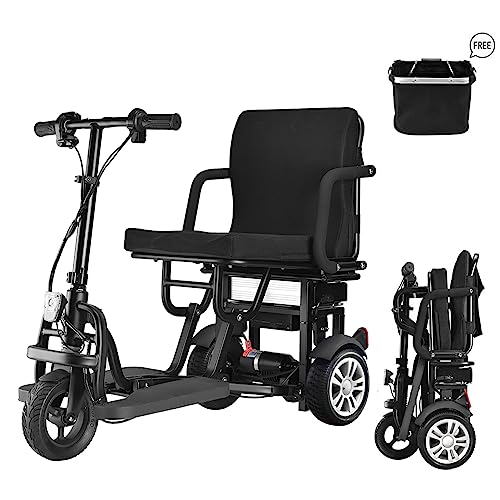
There are a variety of batteries for mobility scooters, each with distinct advantages and drawbacks. Lead acid batteries offer long-lasting power, but they require regular maintenance to ensure that their electrolyte is filled. AGM and gel batteries are safer as they are sealed units that won't let out harmful fumes. Lithium batteries cost the most but can last up to twice as long than other types.
Whatever kind of battery you pick It is essential to follow the instructions in the owner's manual of your scooter for charging and usage. You'll get the highest performance and endurance from your mobility scooter's battery if you follow these instructions. You should also keep an uncharged battery pack in your scooter in case of emergency.
It is recommended to recharge your scooter battery every single day, but preferably during the night. This will ensure that it is at its best and prevent overcharging. It is also recommended to avoid the device from draining completely, as this can shorten its lifespan.
Voltage sag is a common problem with mobility scooters. This is caused by the battery struggling with the fast rate of discharge. It can be fixed by taking the batteries off for a few minutes. The battery will then return to its original AH rating and it's back to your routine. This is yet another reason why it's best to replace batteries in pairs and keep the identical brand and type of battery, rather than mixing gel and lithium batteries. Store your batteries in a room with a high temp, because temperatures that are low can damage the batteries.
Scooter Battery Type
Many people are confused by the plethora of advice available regarding how to take care of the battery of a mobility scooter. The majority of the advice is outdated and based on experiences with mobile or car batteries that function differently than those used in scooters or wheelchairs.
A scooter battery should be stored in a suitable environment. This means somewhere dry, cool and away from direct sunlight. The battery can be damaged by damp conditions and stop functioning. If you need to store your scooter for a long period, keep the batteries full.
Scooter batteries are designed to last for a long duration, but they are able to perform their best when they are regularly charged. In the event that they are not fully charged, prolonged periods can lead to permanent damage and decrease the life of your battery dramatically. It is recommended to charge your scooter's battery at least every six weeks and check it every month to ensure that it is not charging.
Depending on the model of your scooter, you might have a choice of battery type. The majority of models come with a sealed lead acid (SLA) or gel battery. SLA batteries have the lowest lifespan of just 12 months. Gel batteries are more expensive but last for up to 24 months. They also won't spill if they are tipped over. Lithium batteries are the most expensive, however they have a lifespan that is up to 10 times as long as SLA or gel batteries and have twice as much driving range.
When selecting a suitable battery for your mobility scooter, it's crucial to consider its cold cranking amps (CCA). This is the amount that the battery can provide to start the motor. The greater the CCA is, the greater power your scooter will receive.
If you're looking to ensure your mobility scooter battery lasts as long as is possible is to select the lead crystal or a lithium alternative. They are discharged at a lower rate than SLA AGM or gel batteries and will therefore give you a longer driving range. They are safe to take on aircrafts if you have an IATA certification from your supplier.
Scooter Battery Charger
Batteries chargers are crucial to keep your mobility scooter batteries fully charged. The voltage and amperage of the battery charger determine the speed at which the battery charges. A 48v scooter battery, for example will require a 48v charger to properly charge. The faster your batteries are charged, the greater the amperage rating of the charger. The majority of scooter chargers come with a light that will indicate the time they've finished charging your batteries.
You can buy the charger that fits your mobility scooter at most stores and online. You'll need to take off the cover over the charging port on your wheelchair or scooter and plug the charger to the charging port. After that, you'll need to plug the battery charger into a power outlet. Depending on the type of charger you have it is possible to leave it on for up to eight hours. Some chargers have a tiny yellow or red light that changes to green when the batteries are fully recharged.
Certain battery chargers allow you to regulate the amperage. This can help prolong the battery's life. Certain chargers monitor the condition of the battery and prevent overcharging. This feature is only available on certain battery charger models.
The best way to keep the battery of your mobility scooter is to recharge it following each use. You'll have enough power to last the whole day. Charge it before the battery's capacity reaches half. This will extend the life of the battery in your mobility scooter.
It's possible to replace the battery in your mobility scooter if no longer functioning. The good news is that you can install a new battery in your scooter using a few tools. There are numerous kinds of scooter batteries, so you'll have to locate the correct one to fit your specific mobility scooter.
The most well-known type of scooter battery is the Sealed Lead Acid (SLA). They are affordable and provide an excellent value for price. If you're looking for a stronger battery, we suggest GEL Mobility Batteries. They are the best upgrade for your mobility scooter, allowing four times the usable power of an SLA battery of 75AH.
Scooter Battery Life
Mobility scooters can offer a high degree of independence. However they can be a hassle if the battery runs out and you're unable to move. You can prolong the life of your batteries by following simple best practices.
Charge your scooter after every use even if it has some energy in the battery bar. Letting your battery fully drain is not beneficial to its longevity and will result in it failing more quickly. Use a charger that matches the size and type of your battery to ensure a safe charge.
If your mobility scooter is the ability to fold, light design, you'll require smaller batteries, and they are usually rated in AH. Larger batteries with higher AH ratings are needed for models that are medium-sized and heavy-duty. It is important to be aware that the physical dimensions of these batteries can differ among brands.
Conditions in the weather and patterns of use are two of the factors that influence the life span of a battery on a mobility scooter. Extreme cold, bumpy terrain, and frequent stopping and starting can all consume a battery faster than it would normally. We suggest that you keep a charged spare battery in your inventory to replace it in an emergency.
Gel cell batteries (or Absorbed Glass Mat or AGM) are a different alternative for those looking to extend the lifespan of their scooter batteries. They are more robust than Sealed Lead Acid Batteries and require no maintenance. They are also safer for air travel, making them a great choice for those who frequently take their scooters out on excursions from home.
Lithium batteries are the most expensive of the mobility scooter batteries, but they can give you 10 times more range than SLA, AGM or Gel batteries. This makes them a very cost-effective option for those who want to maintaining their mobility scooters smoothly throughout the day. This is particularly relevant if your scooter is going to be used regularly for long excursions or outings or if you have friends who use mobility scooters are frequently visited.